
Car Battery Replacement in Lutz, FL - Expert Tips & Service
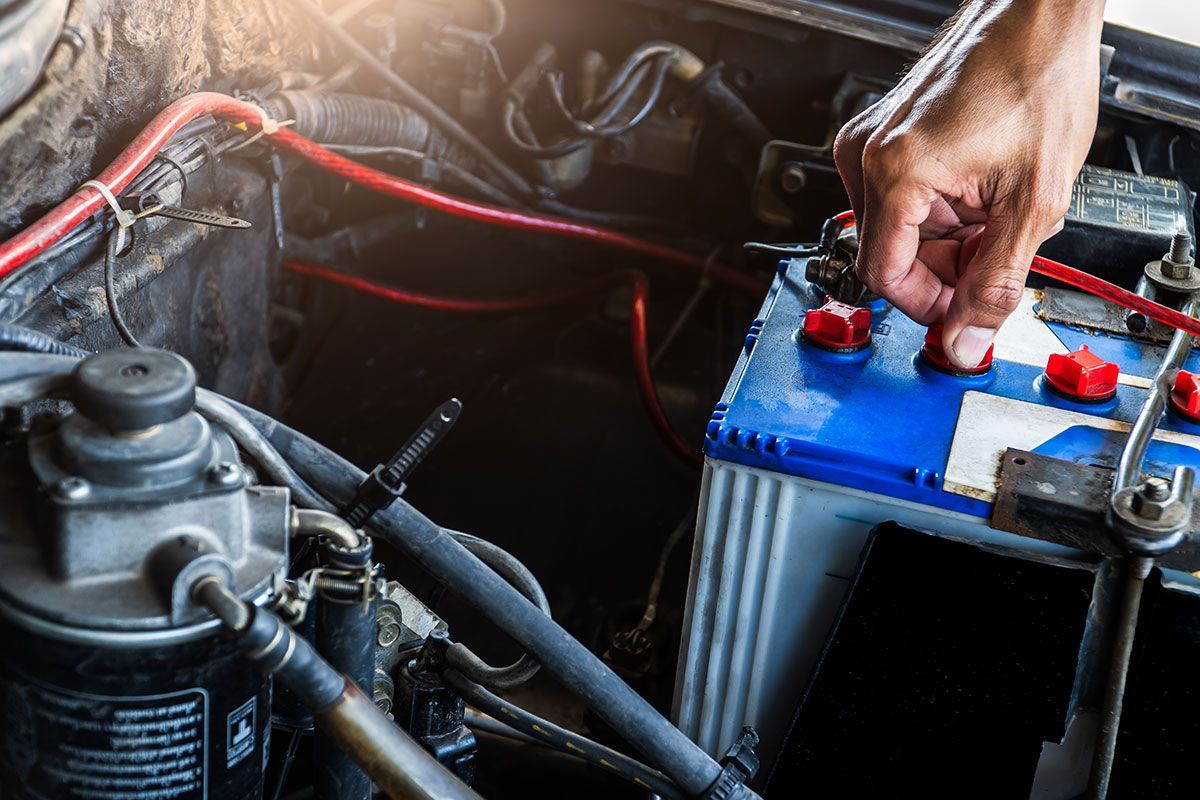
A healthy car battery makes every drive easier, from the morning commute to weekend errands around Lutz, Florida. When it starts to fail, your vehicle may give you small warnings before it leaves you stuck in a parking lot or driveway. Knowing the signs can help you schedule battery service early, protect other electrical components, and keep car maintenance simple instead of stressful.
How do you know when your car battery is going bad?
You may need a car battery replacement if your engine cranks slowly, your lights look dim, electrical features behave strangely, or your vehicle needs repeated jump-starts. A weak car battery often gets worse gradually, so the first symptoms may be easy to dismiss. If you notice more than one warning sign, it is smart to have your auto battery tested before it fails completely.
A battery does not only start the vehicle. It also supports electronics when the engine is off and helps stabilize the electrical system while the alternator is working. When the battery loses strength, the whole vehicle can feel less reliable, especially in hot climates like Florida where heat can be hard on batteries.
Slow engine starts are a classic warning sign
One of the most common signs of a failing car battery is a slow or hesitant start. You turn the key or press the start button, and the engine cranks longer than usual before it comes to life. The sound may be sluggish, strained, or uneven.
This happens because the battery is struggling to provide enough power to the starter. It may still have enough charge to start the car today, but that does not mean it will have enough tomorrow. If the slow start happens more than once, especially after the vehicle has been sitting overnight, schedule a battery service appointment.
Do not wait until the engine refuses to start altogether. Early testing can show whether the battery simply needs charging, whether a cable connection is loose, or whether auto battery replacement is the better choice.
Dim lights and weak electronics should not be ignored
Your car battery helps power headlights, interior lights, dashboard displays, power locks, windows, and other electrical features. When the battery weakens, you may notice these systems acting differently.
Look for signs such as:
- Headlights that appear dimmer than normal before the engine starts
- Interior lights that flicker when you start the vehicle
- A dashboard display that fades or resets unexpectedly
- Power windows moving slower than usual
- Door locks responding weakly or inconsistently
- Infotainment or climate controls behaving oddly
These symptoms do not always mean the battery is the only problem. Alternator issues, corroded connections, or wiring problems can create similar effects. Still, battery maintenance and testing are the right first steps because the battery is central to the electrical system.
If you drive often at night, dim headlights can become more than an inconvenience. Visibility matters, and electrical weakness should be checked before it affects your safety or your ability to start the vehicle.
Dashboard warning lights can point to battery trouble
Many drivers assume the battery light means the battery itself has failed. Sometimes it does, but the warning can also point to the charging system. That may include the alternator, belt, wiring, or battery terminals.
If the battery light appears while driving, your vehicle may be running mostly on stored battery power instead of receiving a steady charge. In that situation, the car may continue operating for a short time, but electrical systems can begin shutting down if the issue is not addressed.
A check engine light can also appear alongside starting or voltage problems. Because warning lights can have multiple causes, do not guess. A professional inspection can help determine whether you need car battery replacement, charging system repair, or another type of car maintenance.
Repeated jump-starts mean it is time for testing
A jump-start can get you moving, but it should not become part of your routine. If your vehicle needs to be jumped more than once, the battery is no longer dependable or something in the charging system is not doing its job.
Repeated jump-starts can also hide the real issue. You may think the vehicle is fine once it starts, but the underlying weakness remains. The next no-start could happen at work, outside a store, or during bad weather.
After any jump-start, pay attention to what happens next:
- Drive long enough for the charging system to work.
- Turn the vehicle off after reaching a safe location.
- Notice whether it starts normally the next time.
- Schedule battery service if the problem returns.
If the battery will not hold a charge, an auto battery replacement may be the most practical solution. If the battery tests healthy, the technician can look for other causes, such as a parasitic electrical draw or alternator problem.
Corrosion and loose connections affect battery performance
Sometimes a battery problem is not only inside the battery. The terminals and cables matter too. Corrosion around the battery posts can interfere with the flow of electricity, making it harder for the vehicle to start even when the battery still has some life left.
Corrosion often looks like a white, blue, or greenish buildup around the terminals. You may also see loose clamps, frayed cables, or signs that the battery is not secured properly. These issues can cause intermittent starting problems, flickering lights, or sudden electrical interruptions.
Battery tips often focus on replacement, but simple inspection is just as important. If you are comfortable checking under the hood, look at the battery area periodically. Avoid touching corrosion with bare hands, and do not try to force damaged parts. A technician can clean terminals, tighten connections, and test whether the battery itself is still reliable.
Florida heat can shorten battery life
Cold weather gets a lot of attention for battery problems, but heat is also tough on batteries. In places like Lutz, Florida, high temperatures can speed up internal wear and make a weak auto battery fail sooner.
Heat can contribute to fluid loss, internal corrosion, and reduced battery capacity. You may not notice the damage immediately because the vehicle still starts for a while. Then, after a hot afternoon or a long period parked in the sun, the battery may suddenly struggle.
This is why routine battery maintenance is especially useful in warm climates. Testing the battery before peak driving seasons, long trips, or daily schedule changes can help you avoid surprise breakdowns. It is also helpful to make sure the battery is properly mounted, because vibration can add stress over time.
What causes a car battery to fail early?
A car battery can fail early because of heat, age, short trips, loose connections, electrical drains, or problems with the charging system. Some causes are preventable with good car maintenance, while others are simply part of normal wear. The key is to identify the cause before replacing parts blindly.
Short trips are a common example. If you only drive a few minutes at a time, the battery may not fully recharge between starts. Over time, that pattern can leave it undercharged and weaker than expected.
Other early battery failure causes include:
- Leaving headlights, cabin lights, or accessories on while parked
- A phone charger, dash camera, or device drawing power when the engine is off
- Corroded or loose terminals limiting charge flow
- An alternator that is not recharging the battery properly
- A battery that is not the right type or size for the vehicle
- Excessive vibration from a loose battery hold-down
A proper battery service should look beyond the symptom. If the same problem keeps returning after charging or replacement, the vehicle needs a more complete electrical check.
A swollen or damaged battery case needs prompt attention
A battery case should look solid and uniform. If it appears swollen, cracked, leaking, or warped, do not ignore it. Physical damage can indicate internal problems and may create safety concerns.
A swollen case can happen when the battery has been exposed to extreme conditions or internal pressure. Leaks or cracks can expose corrosive material, which can damage nearby parts and should be handled carefully. If you notice a strong rotten-egg smell around the battery, that is another reason to stop and have the vehicle inspected.
Do not attempt to open or repair a damaged car battery. Batteries are heavy, contain corrosive materials, and can produce dangerous gases. Professional auto battery service helps ensure the old battery is handled and recycled properly while the correct replacement is installed.
Age matters even if the car still starts
A battery can seem fine right up until it fails. That is why age matters. Even if your vehicle starts today, an older battery may have less reserve power and less ability to recover from heat, short drives, or accessory use.
If you are not sure how old your battery is, look for a date label or ask during your next service visit. Many drivers only think about the battery after a no-start, but checking it during regular car maintenance is easier and usually less disruptive.
The goal is not to replace a battery too early. The goal is to understand its condition. A quick test can show whether it has strong capacity, needs monitoring, or is nearing the end of dependable service.
When should you schedule battery service?
You should schedule battery service when your vehicle starts slowly, needs a jump-start, shows dim lights, has visible terminal corrosion, displays a battery warning light, or has an older battery you have not tested recently. Service is also wise before road trips or busy seasons when a breakdown would be especially inconvenient. For drivers near Lutz, Willow Bend Automotive can help evaluate the battery and charging system so you can make a practical decision.
A good battery check is straightforward. The technician can inspect the battery, terminals, cables, and charging performance. If replacement is recommended, the right battery should match the vehicle’s requirements and be installed securely.
Before your visit, it helps to note what you have observed:
- When the starting problem happens
- Whether it occurs after sitting overnight or after short stops
- Any warning lights on the dashboard
- Recent jump-starts or charging attempts
- Electrical issues such as dim lights or slow windows
- Any accessories recently added to the vehicle
These details can help the technician diagnose the issue faster and avoid unnecessary guesswork.
Practical battery tips for more reliable starts
You cannot make a battery last forever, but everyday habits can reduce avoidable stress. Simple battery maintenance is part of smart car care, especially in Florida heat.
Keep these battery tips in mind:
- Turn off lights and accessories before leaving the vehicle.
- Avoid using electronics for long periods while the engine is off.
- Drive long enough periodically to help the battery recharge.
- Keep the battery area clean and free of heavy corrosion.
- Make sure the battery is secured and not shifting under the hood.
- Have the battery tested if starts feel slower than normal.
- Check battery condition before long trips.
- Do not rely on repeated jump-starts as a long-term fix.
These habits are simple, but they can help you catch small issues before they become bigger problems. They also support the rest of the electrical system, which depends on steady voltage to work properly.
Reliable starts begin with routine car maintenance
Battery problems are frustrating because they often happen at the worst time. The good news is that many warning signs appear before the battery fails completely. Slow starts, dim lights, corrosion, warning lights, and repeated jump-starts are all reasons to schedule a battery service instead of waiting.
If you are in or near Lutz, Florida, Willow Bend Automotive can help with car battery replacement, auto battery testing, and practical car maintenance guidance. Paying attention to your battery now can save you from the hassle of being stranded later and help keep your vehicle ready for the next drive.