
Engine Drive Belt Cracked: Signs & Safety Tips
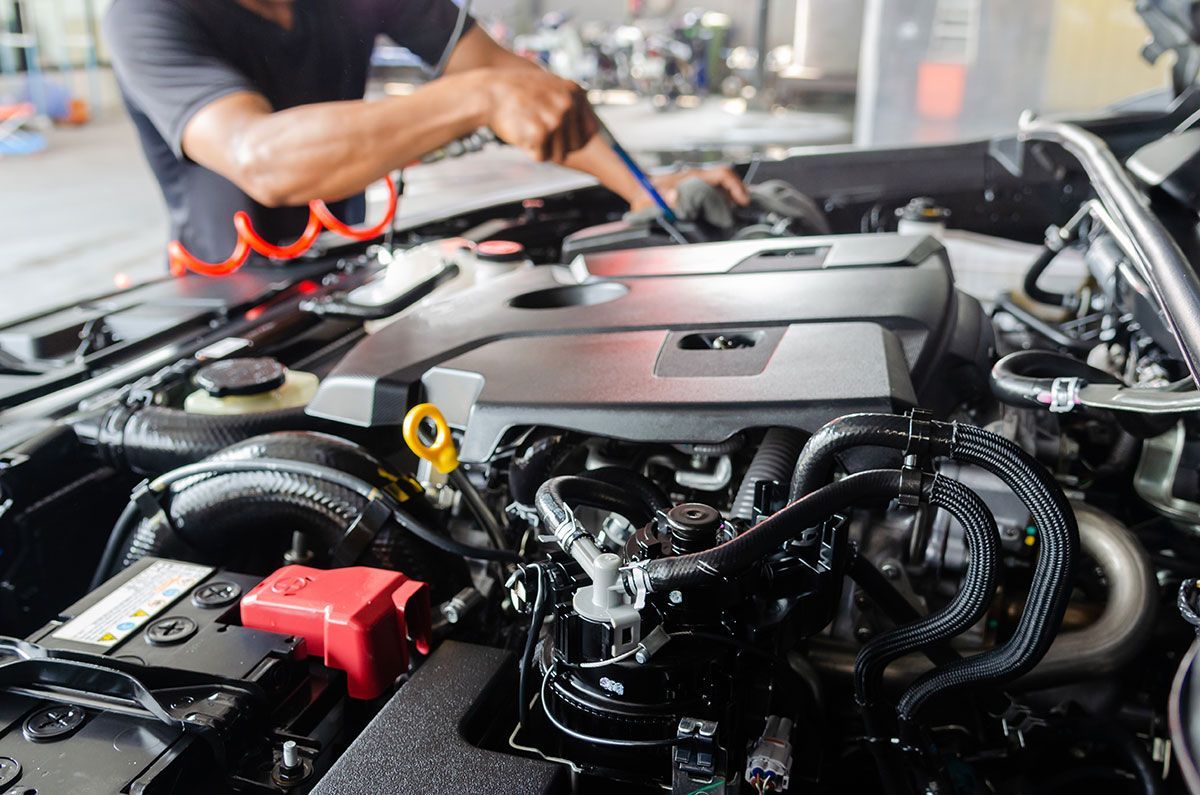
A cracked engine drive belt can show up as visible splits, frayed edges, squealing, or trouble with belt-driven accessories. However, cracks alone do not tell the whole story: modern belts can wear out without obvious cracking, and some small surface cracks may be acceptable under vehicle-specific guidance. Knowing what to inspect, and when to stop driving helps you avoid turning a maintenance issue into a breakdown.
What are the signs of a cracked or failing engine drive belt?
The main warning signs are damaged ribs, missing rubber, fraying, persistent squealing or chirping, and reduced performance from accessories driven by the belt. These symptoms call for an inspection of the entire belt-drive system, not simply a new belt. A worn tensioner, misaligned pulley, or failing accessory can cause similar symptoms and damage a replacement belt if left unresolved.
Visible cracks, fraying, and missing rubber
With the engine off and cool, look at the accessible ribbed surface and edges. Splits running lengthwise along the ribs, exposed cords, shredded edges, or missing sections of rubber deserve prompt professional attention. Severe glazing—a polished, shiny appearance—also warrants inspection.
Not every crack means immediate failure. For example, some manufacturer guidance permits small cracks across the ribs while identifying lengthwise cracks as a replacement condition. Follow the criteria for your specific vehicle rather than an online crack-counting rule.
The reverse matters, too: no cracks does not mean no wear. Modern EPDM rubber belts gradually lose rib material, which changes how they grip the pulleys. A technician can use a belt-wear gauge to assess wear that a quick visual check misses.
Squealing, chirping, and accessory problems
A squeal or chirp is a reason to investigate, not proof that the rubber has cracked. Insufficient tension, pulley misalignment, contamination, and worn components can make the belt slip or run incorrectly. Note when the sound occurs, such as at startup or when the air conditioning engages, and share that information with the technician.
Depending on the vehicle's belt routing, warning signs can include:
- Charging trouble: The alternator may produce less power if its drive belt slips, potentially triggering a charging warning.
- Heavier steering: A belt-driven hydraulic power-steering pump may lose assistance.
- Reduced A/C cooling: A slipping belt may not drive the compressor effectively.
- Rising engine temperature: Cooling can suffer if the affected belt drives the water pump.
One symptom can have several causes. Multiple accessory problems appearing together make the shared drive system especially important to check, but they still require diagnosis rather than guesswork.
Serpentine belts and timing belts do different jobs
An exposed accessory belt and a concealed timing belt are not interchangeable. The serpentine belt transfers engine power to accessories; the timing belt coordinates internal engine movement. Identifying which car belt needs attention helps you understand both the repair and the consequences of failure.
An alternator belt may be a separate accessory belt or a name someone uses for the serpentine belt that drives the alternator. Likewise, “steering wheel belt” is an informal description, not a reliable part name: on hydraulic systems, an accessory belt may drive the power-steering pump. Confirm the belt by vehicle application and routing rather than ordering by a nickname.
Timing-belt failure carries a different risk. In an interference engine, lost synchronization can allow pistons and valves to collide, causing major internal damage. A timing belt can fail without warning, so waiting for squealing or visible cracks is not a dependable maintenance strategy.
Can you drive without a serpentine belt?
Do not plan to drive without a serpentine belt. The engine may continue running temporarily, but the vehicle can lose charging, hydraulic steering assistance, or water-pump operation, depending on its design. There is no universal safe distance: the belt routing determines which systems stop working, and continued operation can leave you stranded or cause overheating.
Finding a belt broken, shredded, or off its pulleys is a reason to arrange roadside assistance rather than test whether you can reach the repair shop. Even if the engine starts, that does not establish that cooling and charging are functioning. The safer choice is recovery and inspection before further driving.
A cracked belt still needs a condition-based decision
A belt that remains installed is not automatically safe for another trip. Missing chunks, exposed cords, lengthwise splitting, or incorrect pulley tracking require urgent attention. Small surface cracks need assessment against the manufacturer's guidance, especially when no other symptoms are present.
If steering suddenly becomes heavy, a charging warning appears alongside belt noise, or engine temperature rises, prioritize reaching a safe stopping place and switch off the engine. Arrange assistance rather than continuing to diagnose the problem while driving. Do not use a short journey as reassurance that a damaged belt will hold together.
A safe visual check without mechanic tools
Treat a home check as a way to spot obvious trouble, not certify the belt's remaining life. Only inspect areas you can see safely, and leave removal, tension testing, and pulley checks to someone with the right equipment and knowledge. Manufacturer instructions specifically warn against inspecting an accessory belt with the engine running.
- Park securely and shut everything down. Apply the parking brake, switch off the ignition, and let the engine cool before opening the inspection area.
- Find the correct belt. Use the owner's manual or routing information to identify the accessible accessory belt. Do not remove timing covers for a casual inspection.
- Use a flashlight from a safe position. Examine visible edges and ribs for splitting, fraying, missing rubber, or unusual wear.
- Keep clear of fans and moving parts. Electric cooling fans can start unexpectedly. Never run the engine to watch the belt up close.
- Record what you notice. Photograph visible damage from a safe position and note any noises or dashboard warnings to discuss with a repair professional.
A limited view leaves part of the belt unexamined. Ask for a full inspection if you cannot see its condition clearly or have concerns despite an apparently normal surface. Modern belt material loss can escape a simple crack check.
How often should you inspect or replace your car's belt?
Follow the maintenance schedule for your exact year, model, and engine, including any time-based limits or service reminders. There is no single replacement interval covering every accessory belt and timing belt. Manufacturer schedules can separate drive-belt inspections from timing-belt replacement and specify different requirements for demanding operating conditions.
As a practical habit, ask about belt condition during routine service rather than waiting for noise. If service records are missing, have the shop establish which belts the engine uses and whether scheduled replacement is overdue. A low-mileage vehicle still needs its applicable age-based maintenance followed.
When booking service, request these checks:
- Belt condition and fit: Include rib wear, contamination, damage, and correct routing.
- Tensioner and pulley condition: Weak tension, bearing trouble, or misalignment can shorten belt life.
- The original cause: Address leaks, damaged components, or alignment faults before installing another belt.
Catch wear before it becomes a breakdown
If you've found your engine drive belt cracked, get its condition assessed rather than assuming every crack is harmless, or that every crack predicts immediate failure. Combine what you can see with symptoms, maintenance history, and vehicle-specific guidance. Prompt inspection of the belt, tensioner, and pulleys offers a better path forward than waiting for the belt to break.